
Built-In Features Designed for Function and Weather
Outdoor Kitchens & Custom Built-Ins in Pittsburgh for properties integrating weather-resistant cooking areas, storage, and entertainment features into patios and outdoor spaces
Weather-resistant cabinetry, countertops rated for freeze-thaw exposure, and appliances designed for outdoor installation separate functional outdoor kitchens from assemblies that fail after one Pennsylvania winter. Fully equipped outdoor kitchens include grills, refrigeration, sinks with hot and cold water, and storage cabinets built from marine-grade polymer or stainless steel that resist moisture infiltration and temperature cycling. Shamrock Renovations LLC designs outdoor kitchens and custom built-ins in Pittsburgh by selecting materials that handle snow, ice, and humidity without warping, rusting, or requiring seasonal removal, then integrating these elements with existing patios, decks, or covered outdoor living areas.
Planning begins with utility access for gas lines, water supply, and electrical circuits capable of handling appliance loads simultaneously. Natural gas lines are trenched and pressure-tested before being connected to grills or fire features, while water lines include shut-off valves and drain points to prevent freeze damage during winter months. Countertop materials such as granite, concrete, or porcelain tile withstand thermal shock from hot pans and freezing temperatures without cracking, and cabinet doors use concealed stainless hinges that won't corrode from exposure.
Request an outdoor space evaluation to review utility placement, appliance options, and how built-in features integrate with your existing patio or deck layout.
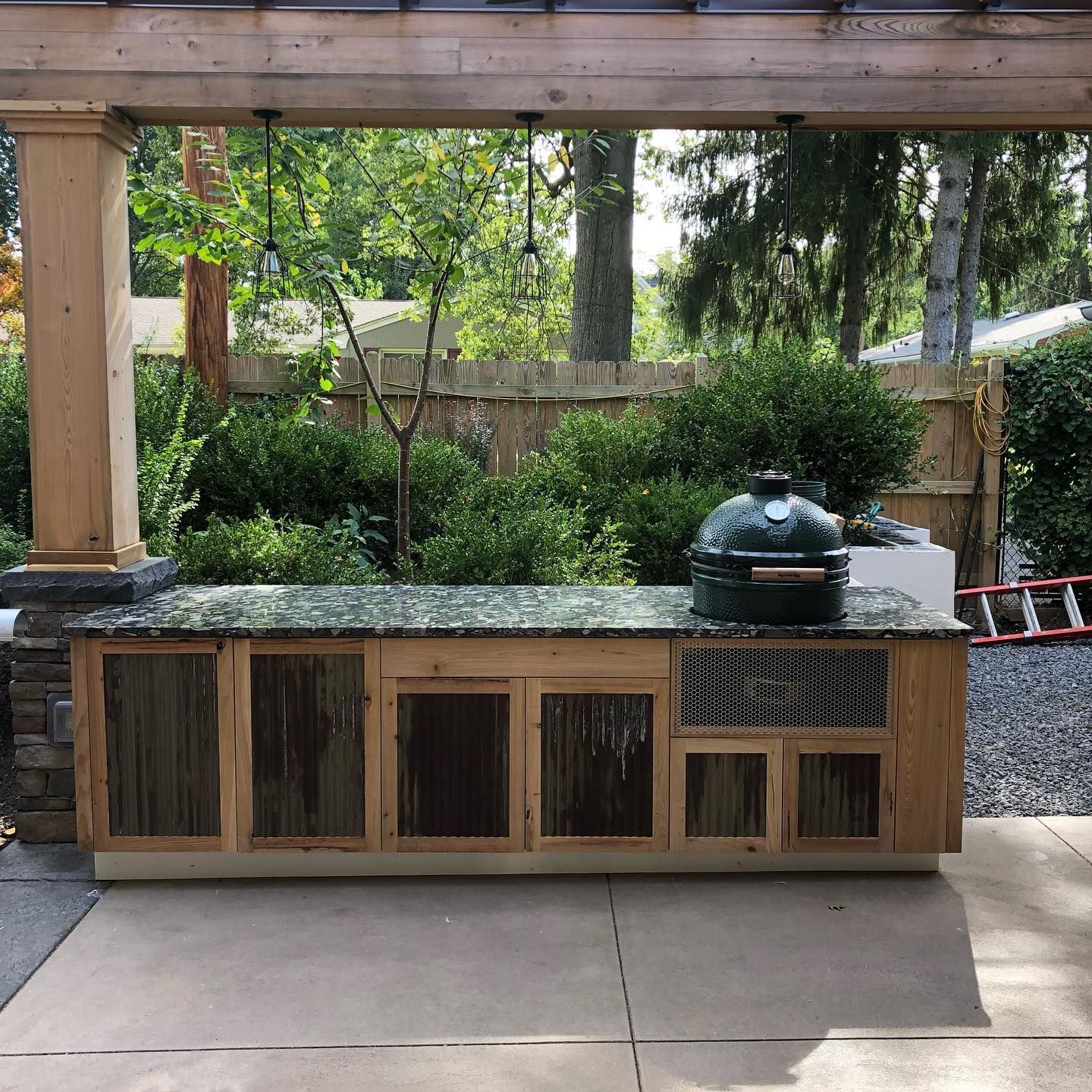
What You Notice Once Outdoor Kitchens Are Finished
Built-in storage cabinets keep grilling tools, propane tanks, and serving dishes protected from weather, with ventilation slots that prevent moisture buildup and allow tanks to vent safely. Countertops overhang cabinet bases to direct rain away from doors and drawers, while sealed edges prevent water from seeping into substrate materials that would degrade over repeated wet-dry cycles. Fire features such as pizza ovens or fire pits are constructed with refractory materials rated for high temperatures and positioned to meet clearance distances from combustible surfaces like wood decking or pergola beams.
After installation, you'll see appliances that ignite reliably, sinks that drain completely without standing water, and storage that remains dry inside even after heavy rain. Countertops stay level without settling, cabinet doors align properly and close securely, and gas connections operate without leaks or pressure loss. Lighting integrated into overhead structures or countertop edges illuminates work surfaces after dark, and electrical outlets remain GFCI-protected and weatherproof throughout seasonal use.
Outdoor kitchens also include considerations for waste disposal, with trash compartments designed to deter animals and grease management systems that prevent clogs in outdoor drainage. Seamless integration with patios means transitions between cooking zones, dining areas, and lounge spaces flow logically, with adequate clearances for foot traffic and serving activities during gatherings.
What Property Owners Usually Ask
Outdoor kitchen projects involve material durability, utility planning, and design choices that affect both usability and how well the installation withstands western Pennsylvania weather conditions year after year.
What countertop materials hold up best in outdoor environments?
Granite and concrete handle freeze-thaw cycles without cracking when properly sealed, while porcelain tile offers stain resistance and UV stability. Laminate and butcher block are unsuitable outdoors due to moisture absorption and delamination under temperature extremes common in Pittsburgh winters.
How are outdoor cabinets protected from water intrusion?
Marine-grade polymer cabinets are fabricated from solid material rather than particle board cores, preventing swelling when moisture enters through door seams. Stainless steel cabinets use welded corners and sealed edges, with interior drainage channels that direct any condensation or rain toward ventilation slots rather than pooling inside.
When should gas lines be installed versus using propane tanks?
Natural gas lines eliminate tank refills and provide unlimited fuel supply, making them practical for homes with existing gas service and kitchens used frequently. Propane tanks offer flexibility for island installations far from the house but require periodic refills and storage space within built-in cabinets designed for proper ventilation.
What appliances are essential versus optional for functional outdoor cooking?
Grills and refrigeration form the core, with sinks adding convenience for food prep and cleanup. Pizza ovens, warming drawers, and ice makers are optional upgrades that expand functionality but require additional utility connections and budget allocation during the planning phase.
How does outdoor kitchen placement affect usability and safety?
Locating cooking areas downwind from primary seating prevents smoke intrusion, while positioning grills away from overhanging structures reduces fire risk and allows proper ventilation. Proximity to indoor kitchens minimizes walking distance for food transport, and adequate countertop space on both sides of the grill improves workflow during meal preparation.
Shamrock Renovations LLC configures outdoor kitchens based on your cooking habits, entertainment frequency, and how the space connects with existing outdoor areas. Schedule a design consultation to review appliance selections, material options, and utility requirements for a fully functional outdoor cooking and entertaining area.