
Renovations Within Building Regulations and Timelines
Condo & High-Rise Renovations in Pittsburgh for unit owners navigating HOA requirements, elevator access limitations, and soundproofing standards in multi-family buildings
HOA approval processes, noise transmission restrictions, and elevator scheduling requirements separate condo renovations from single-family projects. Shamrock Renovations LLC manages condo and high-rise renovations in Pittsburgh by coordinating with building management, submitting architectural drawings for board review, and ensuring material deliveries comply with elevator dimensions and loading dock hours. Units requiring updated kitchens, bathrooms, or open-concept layouts within existing load-bearing walls depend on contractors familiar with sound attenuation assemblies, waterproofing above occupied spaces, and minimizing disruption to neighboring residents.
Renovation planning includes reviewing building regulations for plumbing reroutes, electrical panel upgrades, and whether flooring changes require additional underlayment to meet impact insulation class ratings. Space-maximizing layouts often involve relocating non-structural walls, installing pocket doors to reduce swing clearance, and using wall-mounted fixtures that free floor area in compact bathrooms. Soundproofing solutions include resilient channel ceiling systems, staggered stud walls with mineral wool insulation, andFloScore-compliant underlayment beneath hard flooring surfaces.
Arrange a unit evaluation to review HOA guidelines, structural limitations, and design options that optimize available square footage.
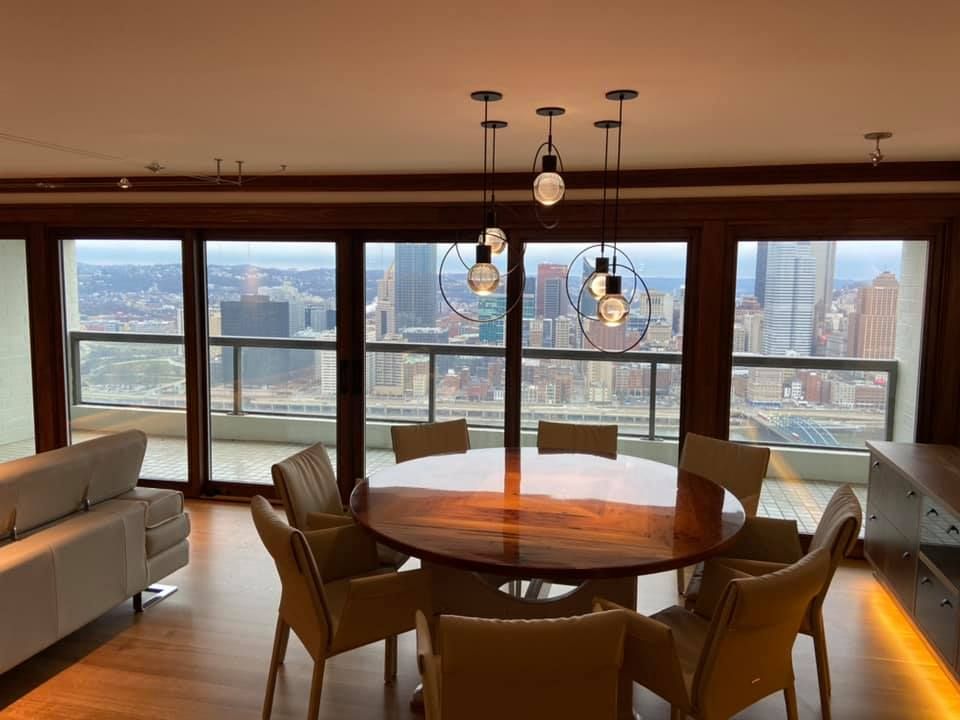
What Changes After Urban Unit Renovations
Material selection for high-rise units prioritizes elevator-compatible dimensions, lightweight alternatives where load limits apply, and finishes that meet building fire ratings for wall coverings and cabinetry. Quartz countertops, luxury vinyl plank flooring, and modular cabinetry arrive in sections that fit standard elevator cabs, avoiding crane lifts or stairwell hauling that delays schedules and increases costs. Shamrock Renovations LLC stages deliveries during designated times, uses floor protection throughout common areas, and removes debris daily to maintain building cleanliness standards.
Once work is complete, you'll notice reduced noise transfer between floors and adjacent units, improved natural light distribution from reconfigured walls, and storage solutions that utilize vertical space and corner areas previously left empty. Bathroom ventilation exhausts properly through building ductwork, kitchen plumbing connects without affecting lower units, and flooring meets or exceeds soundproofing requirements verified through impact testing. Modern finishes align with urban design trends while respecting building codes that govern everything from appliance venting to balcony door replacements.
Timeline efficiency in condo projects depends on securing advance approvals, scheduling trades during permitted hours, and coordinating inspections with building staff who control access to utility shutoffs and mechanical rooms. Projects typically proceed in phases to allow partial occupancy, with wet areas completed before finish carpentry and flooring installation to prevent moisture-related delays.
Answers to Frequent Service Questions
Condo renovations involve compliance steps and logistical coordination distinct from single-family remodeling, particularly in buildings with strict regulations and shared infrastructure.
What documentation does HOA approval require before starting renovations?
Most boards require floor plans showing proposed changes, material samples for flooring and finishes, contractor insurance certificates, and timelines indicating work hours. Some buildings mandate engineering letters for any wall removal, even when walls are non-load-bearing, to verify structural integrity remains unaffected.
How is soundproofing improved without reducing ceiling height significantly?
Resilient channel systems add approximately one inch to ceiling assemblies while decoupling drywall from joists, preventing sound vibration transfer. This approach meets IIC ratings required by many Pittsburgh-area condo associations without the three-to-four-inch loss caused by full drop ceilings.
When are elevator reservations necessary for material delivery?
Buildings typically require advance booking for moves exceeding hand-carried loads, especially for items like cabinetry, countertops, or flooring pallets. Delivery windows are often limited to weekday mornings, and some buildings charge reservation fees or require certificate holders for elevator padding and operation.
What flooring options satisfy both HOA sound requirements and design preferences?
Luxury vinyl plank over premium underlayment combines the appearance of hardwood with impact sound ratings above 50 IIC, meeting most building codes. Engineered hardwood with acoustic underlayment also qualifies but requires verification through product spec sheets submitted during the approval process.
How are plumbing and electrical upgrades coordinated with building systems?
Shut-offs for individual units must be scheduled with building maintenance, and any changes to main stack connections require licensed plumbers familiar with high-rise drainage systems. Electrical panel upgrades depend on available amperage from building service, sometimes necessitating load calculations and utility coordination before work begins.
Shamrock Renovations LLC handles HOA submissions, coordinates with building management, and schedules trades to meet regulations while minimizing project duration. Request a consultation to review your building's specific requirements and discuss layout options suited to condo living.