
Separate Structures Designed for Independent Living
Accessory Structures in Pittsburgh for properties adding guest houses, ADUs, or studios requiring complete utility integration and zoning compliance
Local zoning codes govern setback distances, maximum square footage, and whether accessory dwelling units require separate addresses or can share utility meters with primary residences. Shamrock Renovations LLC constructs detached guest homes, rental-ready ADUs, and private studios in Pittsburgh by navigating permit applications, ensuring structures comply with height restrictions and lot coverage limits, and designing architectural elements that complement existing homes. Properties with sufficient lot size, homeowners planning rental income, or families needing private spaces for aging parents benefit from turnkey construction that includes foundation work, utility hookups, and interior finishes without requiring separate contractors for each phase.
Site evaluation determines whether existing water, electric, and sewer lines have capacity for additional connections or if service upgrades are needed before construction begins. Foundation options range from frost-protected shallow footings to full basements depending on topography, drainage, and whether the structure will include plumbing that requires below-grade waste lines. HVAC systems are sized for the specific square footage and insulation values, with ductless mini-splits often chosen for efficiency and flexibility in smaller footprints.
Schedule a property assessment to evaluate lot layout, utility access points, and zoning restrictions that affect structure placement and design.
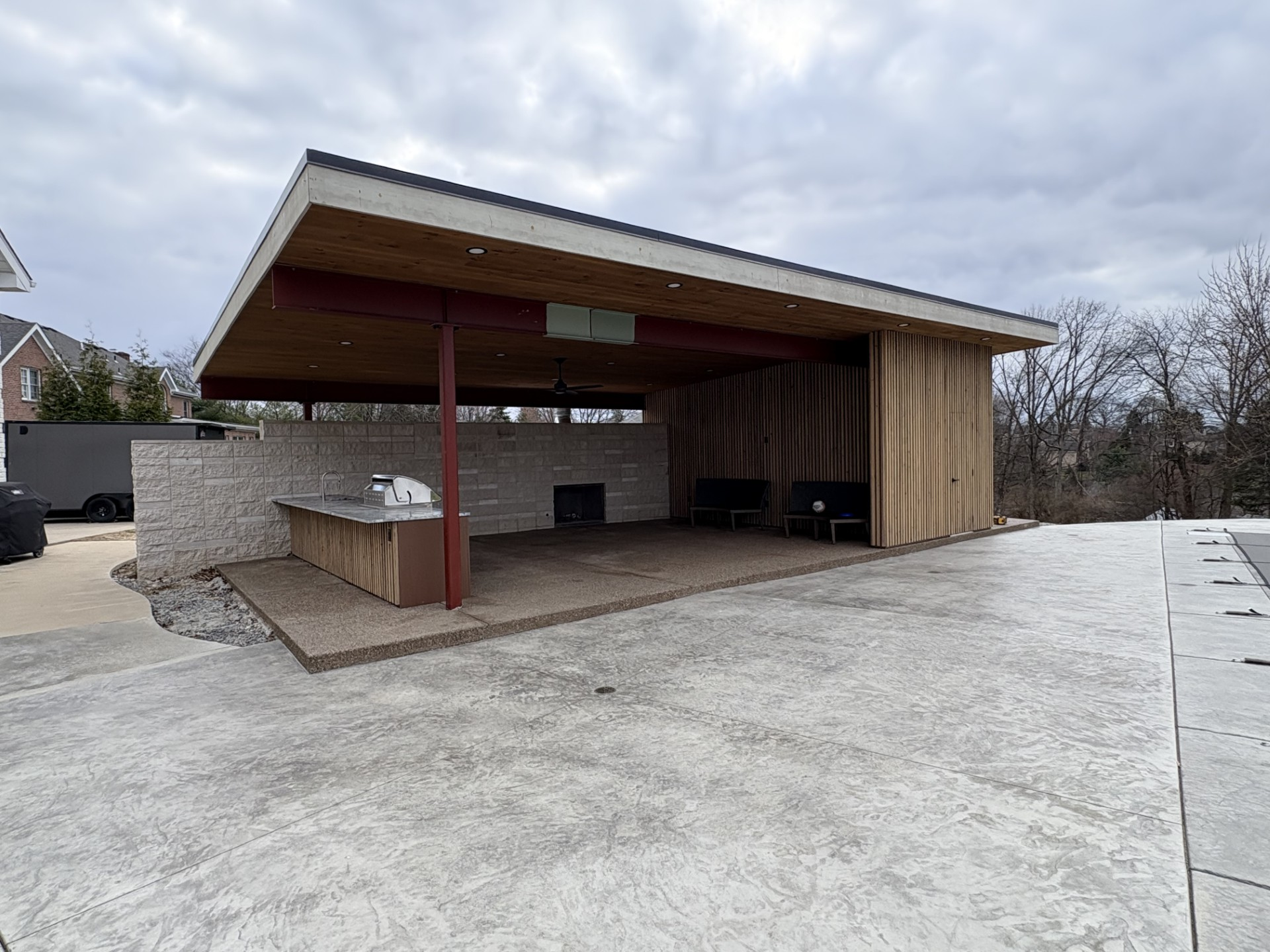
What Turnkey ADU Construction Accomplishes
Complete utility integration means electric service is either extended from the main panel with adequate amperage or upgraded to a larger service if loads exceed existing capacity. Water lines are trenched below frost depth, typically four feet in western Pennsylvania, and connected to the main supply with shutoff valves accessible for maintenance. Waste lines slope at one-quarter inch per foot minimum to reach the existing sewer connection or septic system, requiring soil excavation and compaction testing to prevent settling that disrupts drainage.
After construction, you'll see a fully functional living space with independent climate control, plumbed bathrooms and kitchens that operate without affecting the main house, and electrical systems that handle appliance loads and lighting circuits simultaneously. Architectural design matches rooflines, siding materials, and trim details of the primary residence, maintaining property aesthetics while clearly defining the structure as a separate building. Insulation meets current energy codes, windows provide egress from sleeping areas per safety requirements, and finishes are move-in ready without additional contractor visits.
Permit processes involve multiple inspections at footing, framing, rough-in, and final stages, each requiring municipal approval before proceeding. Shamrock Renovations LLC coordinates inspection schedules, addresses code-related modifications during construction, and provides documentation needed for certificate of occupancy issuance, which allows legal occupancy and qualifies the structure for rental income or property valuation increases.
Questions Before Starting Your Project
Accessory structure projects involve regulatory steps, design decisions, and site planning that differ significantly from interior remodeling or additions attached to existing homes.
What zoning restrictions apply to ADUs in Pittsburgh and surrounding areas?
Municipalities regulate setbacks from property lines, maximum height, total square footage as a percentage of the primary dwelling, and whether the structure can be rented separately. Some zones prohibit ADUs entirely, while others allow them only with conditional use permits requiring neighbor notification and board hearings.
How are utilities extended without disrupting existing landscaping?
Trenches for water, electric, and sewer lines are excavated along planned routes, typically following property boundaries or driveways to minimize lawn damage. Directional boring can tunnel beneath patios or tree root zones when open trenching would cause excessive disruption, though this increases costs and requires specialized equipment.
When does a separate electric meter make sense versus extending the main panel?
Separate meters are required when the ADU will be rented and tenants pay their own utilities, or when existing service lacks capacity for additional loads. Extending the main panel works for guest houses used occasionally, keeping installation costs lower but combining electric bills with the primary residence.
What foundation type suits properties with sloped lots?
Piers with grade beams allow structures to sit level on slopes without extensive excavation, using concrete columns that reach stable soil or bedrock. This approach provides access underneath for utility runs and drainage management while reducing earthwork costs compared to full basement excavation and retaining walls.
How does architectural design ensure the ADU complements the main house?
Roof pitch, siding material, window style, and trim profiles are matched or coordinated so the accessory structure appears intentional rather than mismatched. Color schemes may vary slightly for visual distinction while maintaining cohesive design language across the property.
Shamrock Renovations LLC manages ADU projects from permit applications through final inspections, ensuring compliance with local codes and delivering finished spaces ready for occupancy. Arrange a consultation to discuss your intended use, review site constraints, and explore design options that meet regulatory requirements.