
Space Added Without Compromising Your Home's Design
Custom Home Additions & Expansions in Pittsburgh for properties needing master suites, in-law accommodations, or second-story build-outs that integrate structurally and visually
Architectural integration determines whether an addition looks like part of the original structure or an obvious attachment—rooflines must align, siding must match or complement existing materials, and window styles need to coordinate with the home's established design. Shamrock Renovations LLC completes additions in Pittsburgh where foundation work, framing, and exterior finishes are planned to blend with the existing home rather than disrupt its proportions. Second-story additions require structural analysis of existing walls and footings to confirm they can carry additional loads without settling or cracking over time.
Foundation build-outs for ground-level additions involve excavation, footing installation, and frost-depth considerations specific to Pittsburgh's freeze-thaw cycles, which prevent shifting that causes cracks in walls and floors. Energy-efficient windows, upgraded insulation, and modern HVAC extensions ensure new spaces maintain consistent temperatures without increasing utility costs disproportionately. Permit handling and code compliance management address zoning setbacks, building heights, and inspection schedules before construction begins, which prevents delays caused by unapproved work or missing documentation.
Arrange a property evaluation to assess structural feasibility, review design options, and confirm zoning compliance before moving forward with an addition plan.
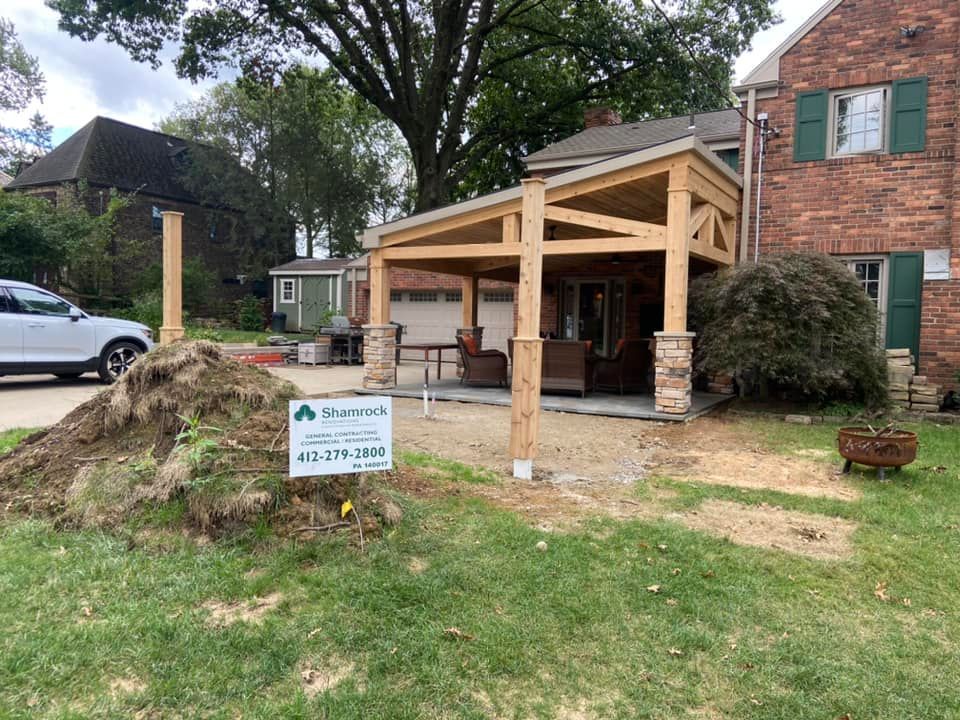
What Proper Addition Planning Requires
Turnkey design-build processes combine architectural design, structural engineering, and construction under one contract, which eliminates the coordination delays that occur when designers and builders operate independently. Material selections for siding, roofing, and trim are matched to existing finishes, or intentionally contrasted in ways that enhance rather than detract from the home's overall appearance.
After framing and exterior work are complete, you'll notice new rooms feel continuous with the rest of the home—flooring transitions smoothly, ceiling heights match adjacent spaces, and doorways align with existing hallways. Electrical panels are upgraded to handle additional circuits for lighting, outlets, and HVAC equipment, while plumbing lines extend from existing systems or connect to new fixtures without visible piping running across finished walls.
Master suite additions typically include private bathrooms, walk-in closets, and separate HVAC zones that allow temperature control independent from the main house. In-law suite configurations incorporate bedrooms, full bathrooms, and kitchenettes with exterior access options that provide privacy while remaining connected to the primary residence. Structural tie-ins where new framing meets existing walls are reinforced with hardware, blocking, and fasteners specified by engineers to transfer loads properly.
What Property Owners Usually Ask
Residents in Pittsburgh frequently ask about foundation requirements, structural capacity, and how additions affect property taxes and resale value.
What structural evaluation is needed before adding a second story?
Engineers assess whether existing foundation walls, footings, and framing can support additional loads, and specify reinforcements like sistered joists, supplemental columns, or expanded footings required to carry the weight of new floors, walls, and roofing.
How are additions matched to existing architectural styles and materials?
Roof pitches, eave overhangs, and window proportions are designed to align with the original home, while siding, brick, or stone is sourced to match existing finishes or selected to complement the home's color palette and texture in a way that looks intentional.
When do permits need to be obtained for home additions in Pittsburgh?
Permits are required before excavation or foundation work begins, and inspections occur at multiple stages including footing installation, framing completion, rough-in utilities, and final occupancy approval before the addition can be legally used.
How do energy-efficient upgrades in new additions affect utility costs?
Modern insulation, low-emissivity windows, and properly sized HVAC equipment reduce heat loss and air infiltration, which means new spaces require less energy to heat and cool compared to older sections of the home built to earlier building codes.
What timeline should be expected for a full turnkey addition from design to completion?
Timelines vary based on addition size, complexity, and permit approval speed, but most projects involve several weeks for design and permitting, followed by construction phases that include foundation work, framing, exterior finishing, and interior build-out before final inspections.
Shamrock Renovations LLC manages architectural planning, permit applications, foundation work, framing, and finish carpentry to deliver additions that function as integral parts of your home. Set up a planning meeting to discuss your space needs, budget parameters, and design preferences before detailed drawings are prepared.